On 18 June 2026, ‘The Great Recycling Trial’ took place at the Théâtre de la Commune in Aubervilliers. This hearing of the Tribunal for Future Generations* was [...]
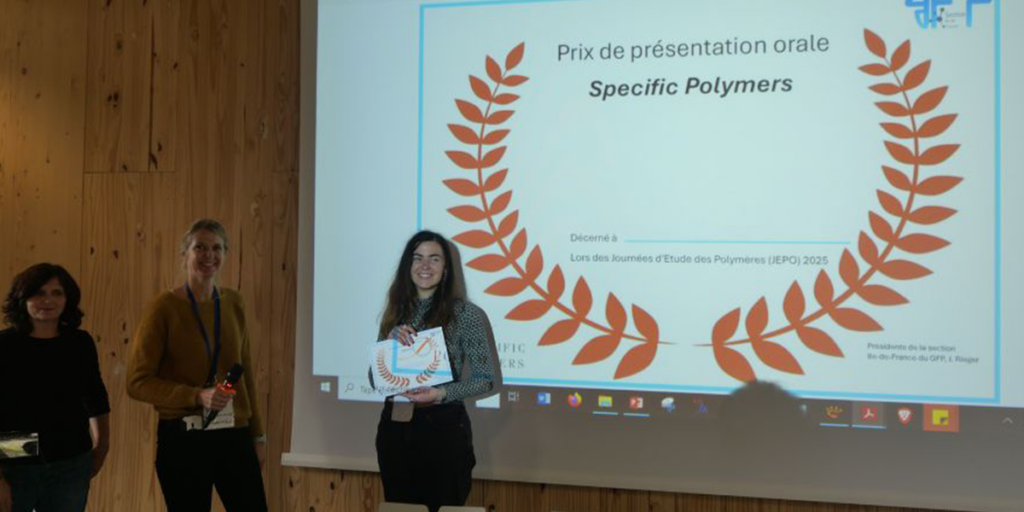
Last October, at the Journées d’Études des Polymères (JEPO), Agathe Navailles was awarded the prize for the best oral presentation for her work on the recycling of [...]
MOFs at the heart of new prospects for sustainable buildings: an article co-authored by Christian Serre, Scientific Director of DIM MaTerRE, has just been published in the [...]
The Nobel Prize in Chemistry was awarded on Wednesday 8 October to Japanese researcher Susumu Kitagawa, American researcher Richard Robson and Jordanian-Saudi-American researcher Omar Yaghi ‘for the [...]
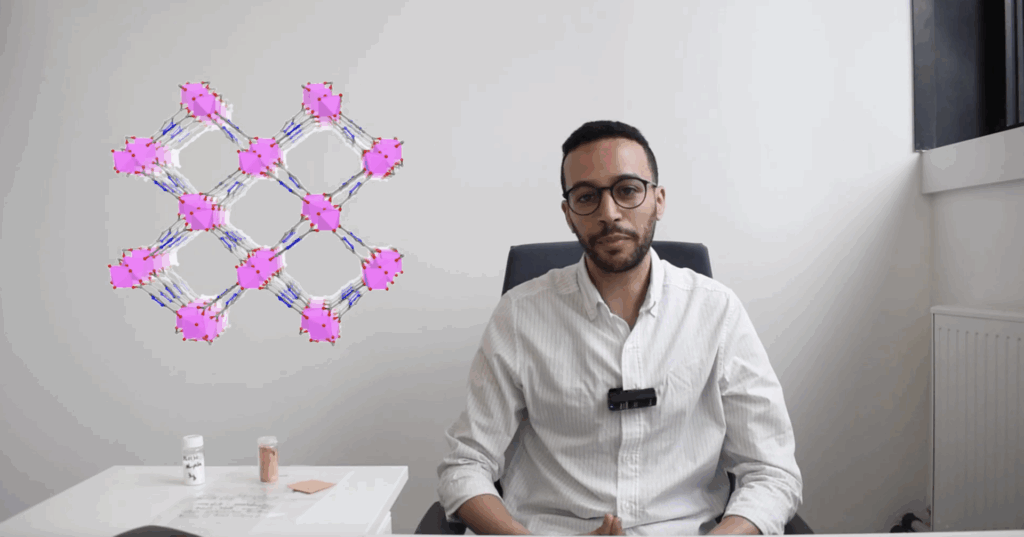
Discover the MembranAir project, funded by DIM MaTerRE. In this video (turn on youtube subtitles), Tarik Aaboub, a postdoctoral researcher at IMAP (Institut des Matériaux Poreux de [...]
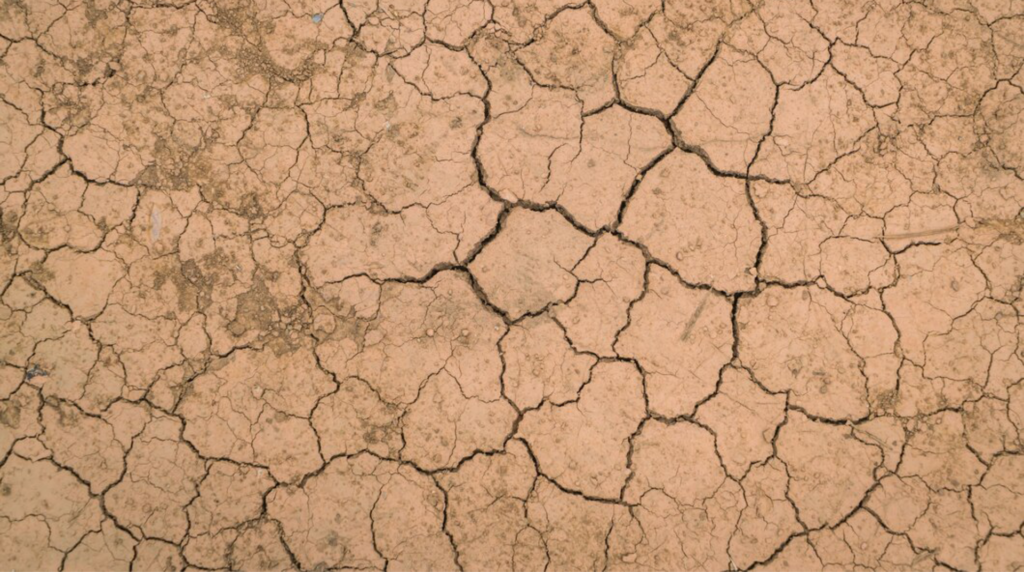
2022 was still marked by an exceptional drought. The total cost of claims on buildings amounts to 2.9 billion euros. In addition, there are significant impacts on [...]
Given the environmental emergency, growing needs and the shortage of labor, the construction industry needs to reinvent itself. Digital technology, 3D printing, robotization, new materials and design [...]
Confronted with immense technical and environmental challenges, the construction industry, which has long remained on the sidelines of robotization and the digital revolution, has begun its transformation. [...]
In this new “One month, one lab” video, Julie Goyon and Anaël Lemaître, researcher at the Navier Laboratory, present their research work on the physics and physical [...]
For 4 years, Elise Muller, PhD student at the Laboratoire Techniques, Territoires et Sociétés (2019-2022), was interested in the deployment of hydrogen, as a vector of the [...]
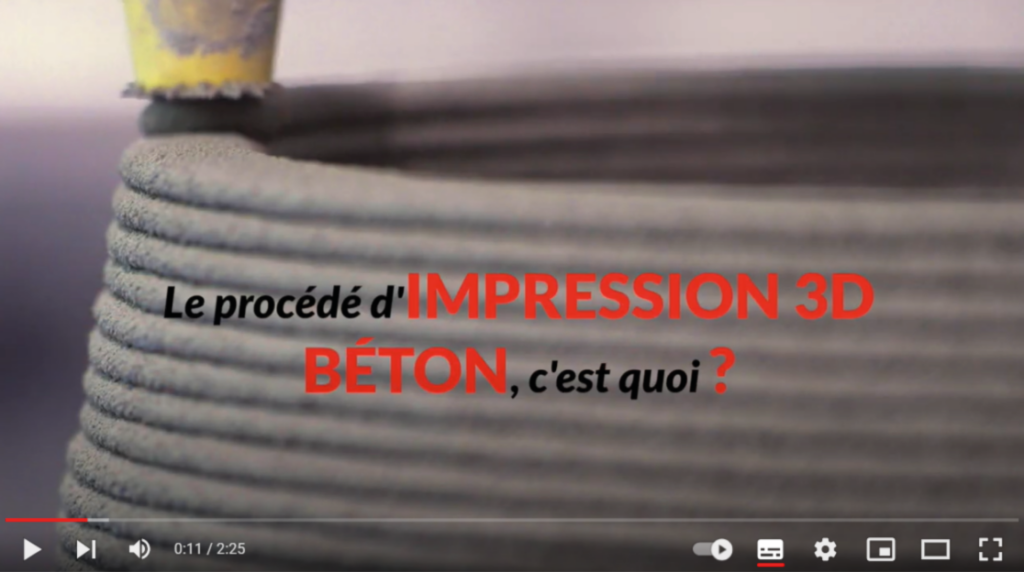
In this new “One month, one lab” video, Romain Mesnil, structural engineer at the Navier laboratory, presents a new process that appeared around fifteen years ago: 3D [...]
“Buildings are bad news for the climate — but they don’t have to be. While our structures are currently responsible for a third of global energy consumption [...]
Nous utilisons des cookies pour vous garantir la meilleure expérience sur notre site web. Si vous continuez à utiliser ce site, nous supposerons que vous en êtes satisfait.