
DIELEC
Dielectric properties for a new generation of polymer materials
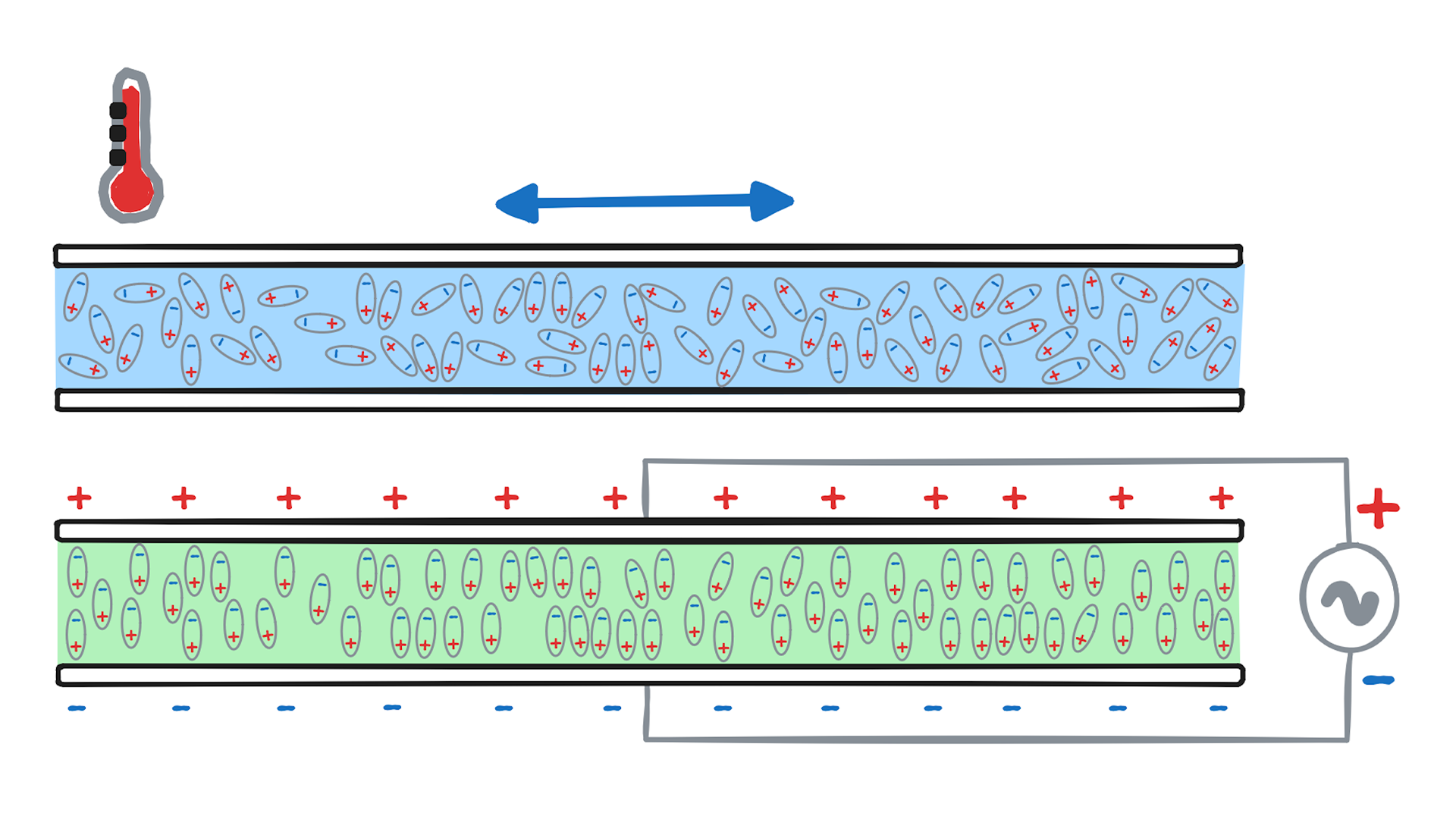
Most common plastics or polymers are electric insulators, that is they prevent the transport of electrons. This quality makes them ideal for applications such as coating for electric cables. Yet, in natural polymers, in polymer blends from recycling or in (advanced) nanocomposite polymers, even in neutral polymers, the positions of positive and negative electric charges do not coincide. Hence, when an alternating electric current (or field) is applied to a polymer sandwiched between two plates, the response varies depending on the plate diameter, the thickness, the voltage, the frequency, and the temperature because of the dipole interactions. These properties involve polarization effects that should be considered in common and advanced characterization of materials for electric applications.
The small equipment of this project is a dielectric rheological accessory which measures electrical conductivity under a large range of conditions (strain, shear-rate, temperature). The analysis of this dielectric response allows to infer the macromolecular polymer chain conformation, chains interaction, polarization type (interfacial, ionic, dipolar, atomic or electronic) and most important energy storage capability. The monitoring of dielectric properties is a powerful technique to understand the microstructure of materials, which are affected by the processing techniques (solution casting, injection molding, multilayer coextrusion). Hence, the ability to measure these properties for different temperatures and strains could uncover applications and improve the right selection of materials in the advance of sustainable electrification.