R&D Engineer – Plasma Catalysis (Fixed-Term Contract)
To apply, please complete the application form. This position is available immediately.
The Epiqor Project
Global energy demand is rising (+60% since 2000), while dependence on fossil fuels remains high, accounting for 75% of the current energy mix. Yet these resources are finite, and their use significantly exacerbates global warming while creating major geopolitical dependencies. Developing solutions for clean, locally produced energy has never been more critical.
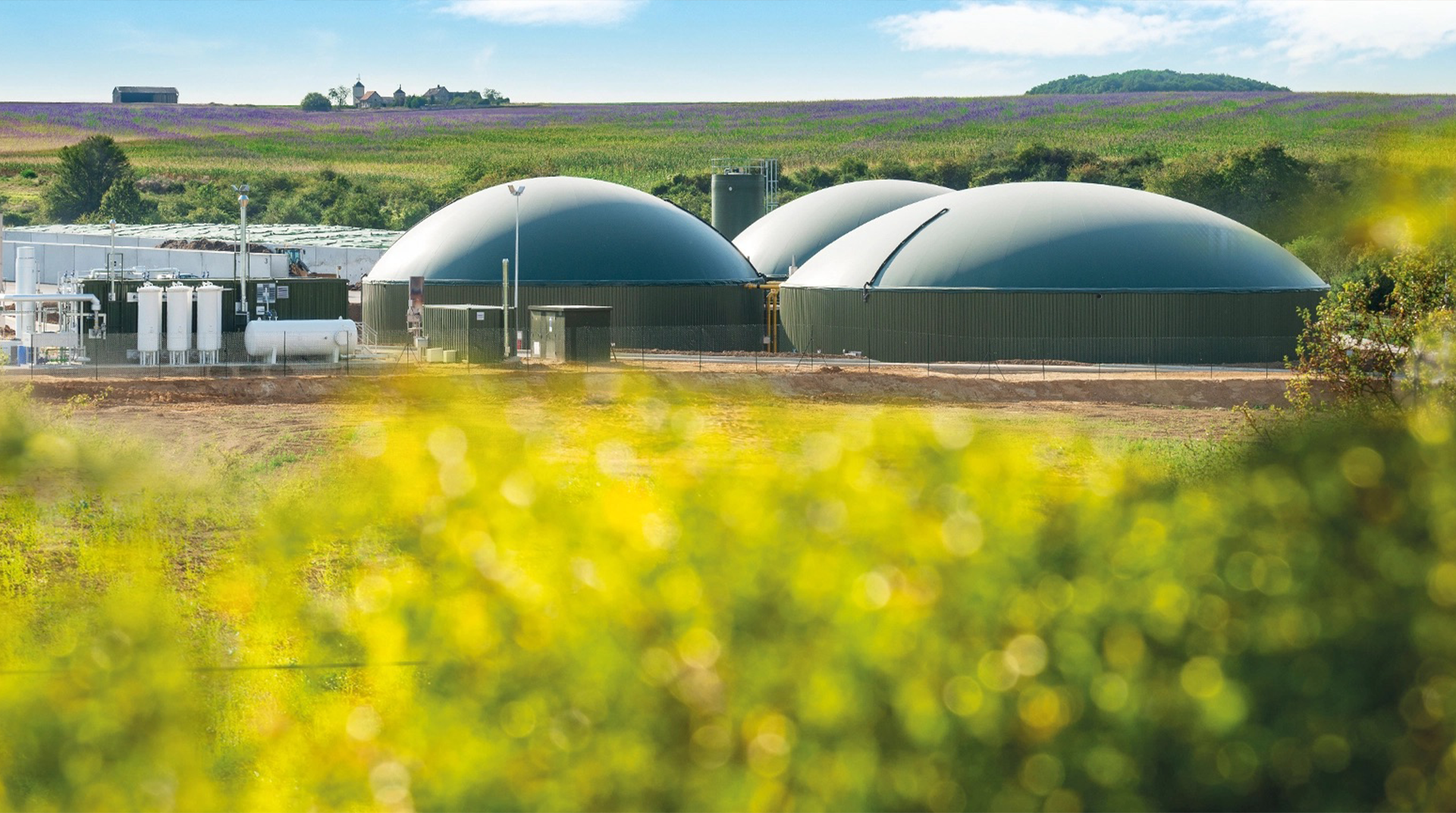
Epiqor is developing a plasma-based CO₂ methanation technology designed for integration into anaerobic digestion plants. These facilities currently produce biogas from agricultural waste, typically containing around 60% biomethane and 40% CO₂, alongside trace components such as H₂S and NH₃. The potential for CO₂ conversion is substantial: more than 4 million tonnes of CO₂ could be valorised in France alone.
The current prototype aims to efficiently couple a radiofrequency plasma with a catalyst to process gas flows at a scale of several kilograms per day.
As an engineer working on the project, you will optimise the plasma to improve reactor performance, develop catalysts to enhance plasma–catalyst synergy, and contribute to scaling up the reactor.
Supported and funded by SATT Paris-Saclay and DIM MaTerRE, Epiqor is seeking a research engineer to optimise plasma-catalytic processes and scale up the reactor. The project aims to lead to the creation of a start-up in 2027.
Key Responsibilities
Working directly with Edmond Baratte, co-founder and CTO of the project, the successful candidate will be responsible for the following:
1. Catalyst Synthesis and Characterisation
- Catalyst formulation development: Design and synthesise catalysts specifically tailored to the requirements of plasma–catalysis coupling.
- Physicochemical characterisation: Analyse the properties of the materials developed, including specific surface area, porosity, reducibility and oxidation states.
- Screening and activity evaluation: Test material performance under plasma discharge conditions, assessing conversion, selectivity, and thermal and chemical stability. Compare results with those obtained using industrial thermal methanation catalysts.
2. Plasma Reactor and Process Optimisation
- Process operation and control: Adjust and map operating parameters (power, frequency, pressure, gas flow rates and composition) to maximise discharge stability and efficiency.
- Reactor design and configuration: Refine reactor geometry, including electrodes, reaction zones and flow distribution, to improve energy transfer and reactant flow.
- Plasma diagnostics and characterisation: Implement and use measurement tools (electrical, optical or analytical) to assess energy efficiency, selectivity and experimental reproducibility.
3. Scale-Up
- Modelling and design: Work on system parallelisation and extrapolate transport phenomena to transfer the technology from laboratory scale to a semi-industrial pilot.
- System integration: Contribute to specifications and define the technological building blocks of the future full-scale reactor, in collaboration with engineering teams.
- Safety and intellectual property: Develop safety protocols for scale-up and contribute to patent applications to protect process innovations.
Candidate Profile
- Engineering degree or PhD in plasma physics, plasma catalysis, materials chemistry, chemical engineering or a related field.
- Experience in heterogeneous catalysis. Experience in plasma physics would also be an advantage.
- Scientific programming skills (MATLAB or Python for data processing).
- Self-motivated, rigorous and technically curious.
- Ability to work across several scientific disciplines in a project at the intersection of physics and chemistry.
Find out more and apply: https://epiqor.notion.site/3f0c66eb56b48063bdc0c019572096c9